Islington Man with Van for practical moving, collection and delivery work

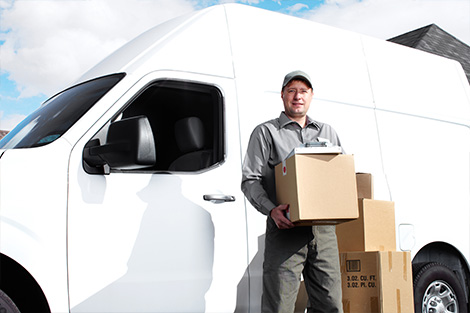
Islington Man with Van provides a straightforward moving service in Islington for customers who need items transported carefully, efficiently and without unnecessary fuss. The work can suit single items, part-load moves, student moves, room-to-room transfers, furniture collections and other light removals that call for a van rather than a full-scale removals crew. Our focus is on clear handling, sensible loading and reliable transport so the job is managed in a way that suits the property, the contents and the access available.
The service is designed around flexible support for domestic and business requests. That can include dismantled furniture, boxed belongings, appliances where suitable, or other goods that need careful protection in transit. If you are comparing options, it helps to think about what must be moved, what can be carried safely, and whether there are stairs, narrow entrances or parking considerations. Useful planning starts with the load itself, not with guesswork, and that makes the quotation stage more accurate.
For a quote, send the details of what needs moving and when you would like it handled. If you already know the collection and delivery points, include them too. You can also use the pages on our site to look at the wider service range and decide what level of support you need before you enquire.
Van-based moving support for homes and small businesses
Our man and van work covers a useful middle ground between carrying a few items yourself and arranging a full removals package. It is a good fit when the job is too large for a normal car but does not require a major team or a large vehicle. Typical requests may involve furniture, boxed effects, household contents, light business stock or equipment that needs to be delivered intact. The service can be planned around access at both ends so loading and unloading are handled in a sensible order.
Where the move involves a property transition, our home moves page gives a broader view of domestic transport work, while the commercial moves page is more relevant for office contents, stock and workplace equipment. Some customers also want furniture handled separately from the rest of the load, and the furniture pick-up page explains that kind of collection work in a simple way. These options help keep the discussion specific rather than forcing every enquiry into one broad category.
What the service is suitable for
Man with van support is often chosen for practical transport rather than full packing and full property clearance. It can be arranged for one-off items, awkward pieces, partial room moves or scheduled deliveries that need a vehicle and careful handling. It is also useful where the route, timing or parking makes a simple van transfer more sensible than hiring an oversized vehicle. If your request includes a mixture of items, the key question is whether they can be loaded securely and moved without overpacking.
Typical collections, deliveries and item handling

A van-based move can involve a wide range of load types, provided they are lawful, suitable and safe to carry. Furniture is a common example, especially when it has already been dismantled or can be moved as a single piece with the right protection. Boxed household items, bags, small appliances and office materials may also fit well into this kind of service. The aim is to keep the process orderly so that the load remains stable and the vehicle space is used effectively.
If you are moving larger household items, the house removalists page may be useful for understanding broader domestic removals support, while the office relocation-services page covers workplace moves in more detail. For customers with less to move, the man-and-van page offers a closely related overview of the same general service style. These linked pages help separate a compact transport job from a larger relocation plan.
Useful preparation matters, but it does not need to be complicated. A short description of the load, the number of floors, any bulky items and any access limits is usually enough to start. If items are fragile or need to stay upright, say so clearly. If you have restricted parking, a tight entrance or lifting concerns, include that as well. A good description helps the move be planned around the real conditions rather than assumptions.
Preparing a quotation and choosing the right level of help
Quotation requests are easier to price sensibly when the scope is clear. The main factors are usually the volume of items, the distance between collection and delivery, how easy it is to load and unload, and whether the job needs any special handling. A concise list of the major pieces, together with any stairs, timing restrictions or building access points, helps set expectations. Where a move is straightforward, this can keep the process efficient without adding unnecessary back-and-forth.
The pricing and quotes page is the best place to look when you want to understand how requests are estimated, and the book-online page is available for customers who want to make the next step in a structured way. If your enquiry involves a more general moving vehicle rather than the moving labour itself, the moving-truck page may also be useful. Choose the page that best matches the sort of help you need rather than trying to force every request into one label.
The simplest approach is to state what is moving, where it is going and when it needs to happen. If you can mention whether the items are already boxed, whether there is lift access, and whether you need loading assistance as well as transport, the quotation can be matched more closely to the work. That also reduces the chance of misunderstandings later on.
Household furniture, appliances and specialist items

Many man with van jobs revolve around specific household items rather than a full load. Sofas, tables, beds, wardrobes, chests of drawers and other furniture can often be moved on a piece-by-piece basis, especially when the route is short or the property layout is manageable. The service can also be appropriate for certain appliances if they are suitable for transport and disconnected in a safe, practical way before collection. The point is to treat each item according to its size, weight and vulnerability.
For customers dealing with larger white goods, the fridge-and-appliance-removal page explains a more specific item-based service, while the mattress-and-sofa-disposal page is useful where the request is about disposal rather than relocation. Some people prefer a combined solution that keeps transport and collection under one arrangement, and in those cases it helps to be precise about whether the item is being moved, removed, recycled or passed on elsewhere. That distinction changes how the job is planned.
We also recognise that some loads are easier when they are already disassembled, boxed or grouped by room. That does not mean every customer needs to spend hours preparing; it simply means a better organised load is easier to handle. If a wardrobe, table or bed frame can be separated safely, say so. If not, include the full dimensions or a description of the shape so the moving plan can be set out properly.
Commercial transport, office items and workplace moves
Business customers often need a practical transport solution that works around trading hours, building access and the need to keep items secure in transit. Man with van support can suit archived files, desks, chairs, boxed materials, sample stock and other workplace contents that must be moved without delay. The aim is to keep the process controlled, with loading arranged in a way that protects both the goods and the premises involved. For many smaller business tasks, that is enough without commissioning a larger operation.
The office-relocation-services page gives a more specific route for office work, while the commercial-moves page covers broader business transport. If the request is mainly about moving furniture within or between premises, the same practical principles apply: identify the larger pieces, note access, and decide whether the load needs one vehicle trip or a staged move. That sort of clarity makes the job easier to arrange and easier to complete in the right order.
For business owners, a brief written list can be particularly helpful. Include items such as desks, monitors, boxed records, shelving or retail stock, then note whether anything is fragile or needs to remain upright. If an item is valuable, sensitive or awkward, say so plainly rather than assuming it will be obvious. A well-specified request can be handled more neatly than a vague one.
About Islington

Islington is an inner London district and borough with a long urban history shaped by its position north of the City. Once a ribbon of villages, fields and turnpike routes beyond the medieval core of London, it became increasingly built up during the Georgian and Victorian periods as the metropolis expanded. The area is known for terraces, squares and converted buildings, alongside dense residential streets and busy commercial corridors. Much of its present character comes from the layering of these periods rather than a single architectural style. Georgian terraces and later mansion blocks sit beside post-war estates and contemporary developments, creating a varied streetscape that reflects changing patterns of housing and growth. Upper Street is one of its best-known thoroughfares, lined with shops, restaurants and civic buildings, while Essex Road and Angel connect different parts of the district with neighbouring areas. Cultural life is supported by theatres, music venues, independent businesses and long-running markets, and the area has a reputation for a lively, urban atmosphere. Green space is limited compared with outer London, but there are notable local parks and squares, and the New River remains a distinctive feature in parts of the borough. The district also includes a mix of schools, community facilities and historic churches, adding to its sense of continuity. Islington’s identity has been shaped by transport links, redevelopment and conservation pressure, yet it still retains pockets of historic fabric that reveal its development over several centuries.
Handling access, loading and timing
Access is one of the most important parts of any man with van job. A narrow staircase, basement entrance, shared hallway or restricted loading area can make a simple move more complicated if it is not mentioned early. The same is true for timing, especially where a building has set access hours, lift bookings or parking restrictions. If you can explain how the items will be brought to the vehicle, the move can be planned in a way that reduces unnecessary waiting or backtracking.
The insurance-and-safety page is useful for understanding how sensible handling and risk awareness are approached on supported jobs, while the health-and-safety-policy page sets out the wider approach to safe working. These pages are especially relevant where a load is awkward, heavy or likely to need extra care. Safety is not just about the vehicle; it also includes how items are lifted, carried and positioned during the move.
If you are preparing an enquiry, the easiest details to gather are often the most helpful: item list, collection point, delivery point and any special handling needs. You do not need a long explanation, but you do need enough information for the load to be understood. A short, accurate summary is better than a broad message that leaves important pieces unspecified.
Services that complement the main moving work

Some customers need more than transport alone. Depending on the job, that may mean packing, unpacking, or dealing with unwanted items after a move has been arranged. The packing-and-unpacking-services page covers support with boxing and unboxing contents, while the recycling-and-sustainability page explains how materials may be handled with reuse and disposal in mind. Where items are no longer required, the fridge-and-appliance-removal and mattress-and-sofa-disposal pages offer more item-specific routes.
There are also cases where people need secure handling for sensitive paper records rather than household contents. In those situations, the confidential-shredding page is the more relevant choice. If you are simply trying to understand the overall service menu before deciding, the site’s pages on moving, collection and disposal can help you match the request to the most suitable route. That is often the quickest way to avoid over-specifying or under-specifying what needs to happen.
For a clear quotation, send the main items, the route and any access notes, then ask for the next available way to proceed. Keep it simple, keep it accurate and include only the details that matter to the move. If you are ready to go ahead, make your enquiry now and request a quotation.